Reading 9-1: Metaphors
Metaphors compare two unlike things.
Ex.
- She runs like the wind.
- She is like the wind.
- She is the wind.
In these examples, a person (she) is compared to the wind.
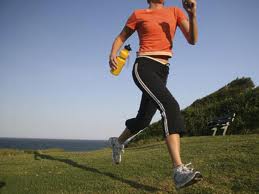
Any quality you think of when you think “wind” also applies to the person.
Each of these sentences are a little different in meaning. Can you guess what these sentences are trying to say?
Metaphor
Basic metaphor does not need a word or phrase to make a comparison.
Ex.
- My car is lightning.
- He is a vacuum cleaner.
- We will be two peas in a pod.
- She is a skyscraper.
- I am a cloud.
- Eating that cake was heaven.
Two other types of metaphor and simile and personification.
Similes
Similes are easy to identify because they use words or phrases.
Here are examples of six words or phrases used with similes:
- like (She is like the wind.)
- as (She is as fast as the wind. She is fast as the wind.)
- than (She is faster than the wind.)
- similar to (She is similar to the wind.)
- resembles (She resembles the wind.)
- seems like (She seems like the wind.)
Ex.
- He eats his food like a vacuum cleaner.
- You are smart as a computer. -or- You are as smart as a computer.
- I am free as a cloud.
- My car is quicker than lightning.
- Drinking coffee is similar to recharging batteries.
- My family reunion resembled a pig pen.
- That dog seems more like an army general than an animal.
When using nouns for comparison, do not use two similar things to create a simile:
Ex.: He is taller than his brother. (A comparison, but not a simile.)
He is taller than a tree. (Impossible, but he still must be very tall. Simile.)
Personification is when human qualities are given to animals, things, or concepts.
Ex.: The storm yelled at me.
The train ran ahead to Portland.
A dream knocked on the door.