In our digitally connected world, we are constantly exposed to information from countless sources. But does every source tell the same story in the same way? Rarely. The language, tone, and information a writer chooses can shape our understanding of an event. This is often influenced by the author's purpose and potential bias. Being a critical reader means recognizing these differences and evaluating information for ourselves. In this lesson, we will explore how to identify author intent and bias by comparing two articles on the same topic.
Is All Media Biased?
This video introduces the concepts of perspective and bias using visual and historical examples.
Vocabulary: The Language of Media Analysis
Understanding the following terms is essential for analyzing media. Review the definitions and examples.
| Word | Definition | Example |
|---|---|---|
|
Bias (n.) |
A prejudice in favor of or against one thing, person, or group compared with another, usually in a way considered to be unfair. | The news channel was accused of political bias for only interviewing one candidate. |
|
Objective (adj.) |
Not influenced by personal feelings or opinions in considering and representing facts. | A judge must remain objective when hearing a case. |
|
Subjective (adj.) |
Based on or influenced by personal feelings, tastes, or opinions. | His review of the movie was highly subjective; he loved the main actor. |
|
Editorial (n.) |
A newspaper article written by or on behalf of an editor that gives an opinion on a topical issue. | The newspaper's editorial argued strongly for environmental protection. |
|
Sensational (adj.) |
Presenting information in a way that is intended to provoke public interest or excitement, at the expense of accuracy. | The sensational headline about the celebrity's vacation was misleading. |
|
Headline (n.) |
A heading at the top of an article or page in a newspaper or magazine. | A good headline should be catchy but also reflect the content of the article. |
|
Reliable (adj.) |
Consistently good in quality or performance; able to be trusted. | For academic research, it is crucial to use reliable sources. |
Reading: A Tale of Two Articles
Now, let's act as media analysts. Read the two articles below. Both discuss the topic of government regulation of Artificial Intelligence (AI), but they approach it from different perspectives. As you read, pay close attention to the headlines, the word choices (verbs, adjectives), and what information is included or left out.
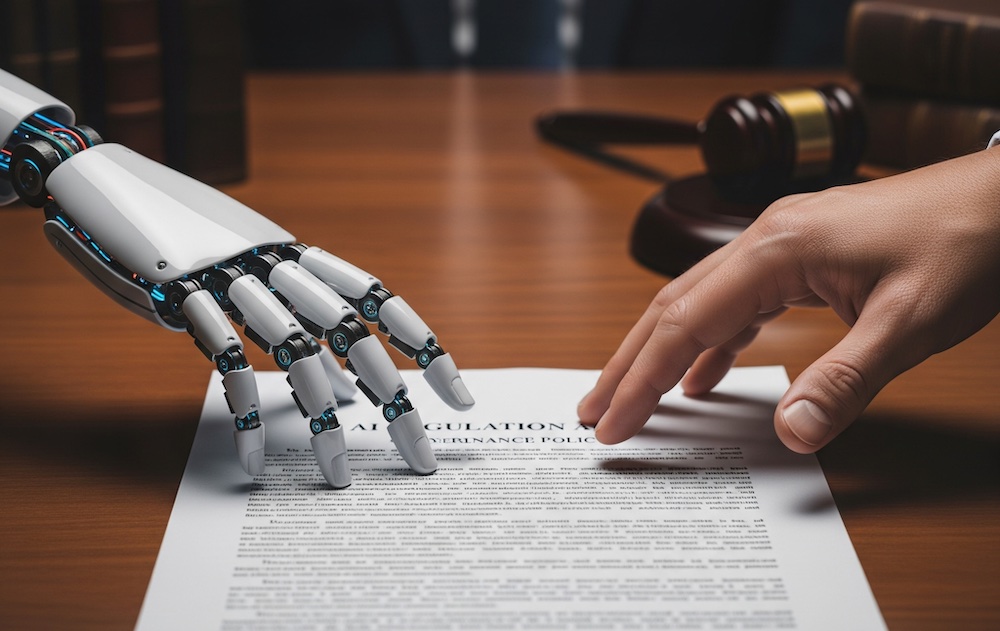
AI: Opportunity or Threat?
The debate around AI regulation involves weighing potential innovation against societal risks.
Tech Today
AI Pioneers Push for Innovation, Warn Against Restrictive Regulation
A group of leading tech executives has claimed that overly strict government regulation could stifle the groundbreaking progress being made in Artificial Intelligence. It is argued by industry leaders that AI represents a monumental opportunity for economic growth and human advancement. In a recent statement, one CEO suggested that "we are on the verge of solving some of humanity's biggest challenges." The technology is seen by many as a key to future prosperity. Proponents insist that a collaborative approach between industry and government is the best path forward, ensuring that innovation is not unnecessarily delayed.
The Global Sentinel
Experts Demand Urgent AI Regulation to Avert Potential Crisis
Concerns have been raised by ethicists and social scientists about the unchecked expansion of Artificial Intelligence. The technology is alleged to pose a significant threat to millions of jobs and personal privacy. In a report published yesterday, it was stated that without immediate and robust oversight, AI could lead to widespread social disruption. One critic warned, "We are sleepwalking into a future that has been designed by a handful of corporations." It is feared by many that the technology's development is outpacing our ability to control it, making government intervention essential and urgent.
Grammar Focus: Reporting Verbs and the Passive Voice
Unlock full access by logging in. Registered users can explore the entire lesson and more.