In this lesson, you will practice one of the most important academic skills: synthesizing information. This means combining ideas from different sources—in this case, a reading and a listening passage—to form a new, coherent understanding. You will then use this understanding to formulate and express your own opinion, a key task in the ITEP speaking section and in university-level discussions.
Reading Input
Read the following editorial summary about the role of artificial intelligence (AI) in modern warfare. Take notes on the main arguments and key vocabulary.
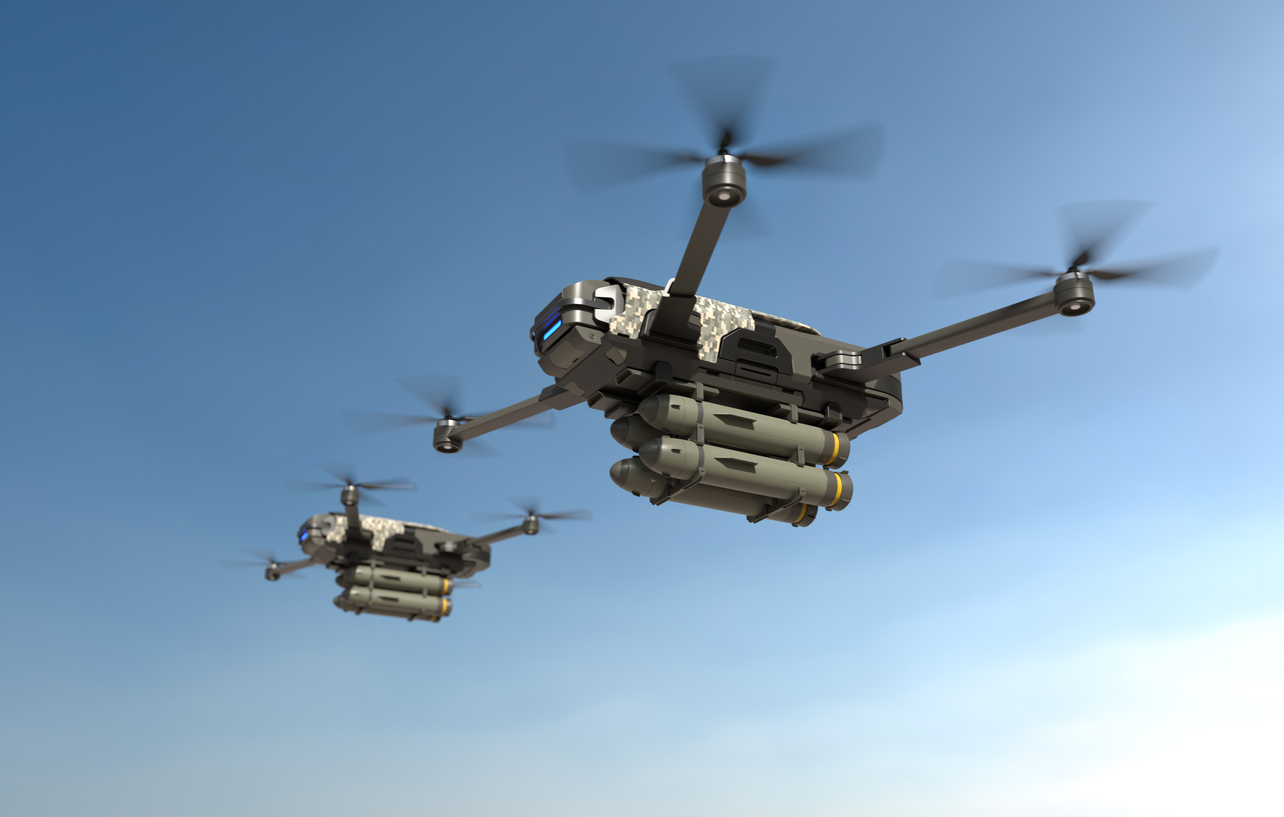
The Unseen Battlefield: AI's Double-Edged Sword
The rapid integration of artificial intelligence into military technology presents one of the most profound challenges of our time. Proponents argue that autonomous weapons systems can perform with greater speed and precision than humans, potentially reducing collateral damage. However, this optimistic view often overlooks significant ethical quandaries. The core issue is one of control and accountability. When an autonomous system makes a life-or-death decision, who is responsible? The programmer? The commander who deployed it? This lack of clarity could lead to a dangerous erosion of international law. Furthermore, the proliferation of such technology could trigger a new, unstable arms race among global powers. Without robust international agreements and strict limitations, we risk creating a future where warfare is delegated to machines, making conflict not only more frequent but also unimaginably fast and destructive. The primary goal must be de-escalation, not the pursuit of technological deterrence at any cost.
Listening Input
Now, listen to an excerpt from a podcast interview with Dr. Anya Sharma, a policy analyst specializing in emerging technologies. Take notes on her perspective.
A Nuanced View on Autonomous Systems

Interviewer: Dr., many view the rise of AI in warfare with alarm. The editorial we just discussed, for example, focuses heavily on the dangers of proliferation and the lack of accountability. Is that the whole picture?
Dr. Sharma: It's certainly a critical part of the picture, and those concerns are entirely valid. However, I think it's a mistake to view this technology as exclusively negative. We need a more nuanced discussion. For instance, consider the potential to protect human soldiers. Sending an autonomous drone into a high-risk situation instead of a person is a powerful advantage. Moreover, advanced AI could potentially process battlefield information more effectively than a human operator under stress, leading to more precise actions and fewer civilian casualties. The key is not to ban the technology outright, but to develop rigorous international safeguards. The debate shouldn't be about 'if' we use AI, but 'how' we govern it to ensure it aligns with humanitarian principles. The real challenge is establishing a global consensus on what those rules of engagement should be.

Key Vocabulary
Unlock full access by logging in. Registered users can explore the entire lesson and more.